
How it works
Every book has the same three parts.
Lovetopus is a picture-book series for ages 3–6. Each book gives one big feeling to one friend, and every book is built the same way — so once you’ve read one, you know your way around every book that follows.
Inside every book
The story · Read
An illustrated adventure where a friend feels it first. In Book 1, Finley the seahorse is afraid of the dark, and Hugo and his friends come along.
Kids Zone · Play
Games and drawing pages at the back of the book, with the same friends. Finley’s book has five, from drawing a silly worry-monster to a shadow-guessing game with a flashlight.
Parent Zone · Connect
Pages for grown-ups: what your child may be feeling and how to talk about it. They’re written for you to read on your own, whenever it suits you.
Same three parts in every book — a different friend, a different feeling.
All feelings are okay. Not every action is.
That’s Hugo’s rule in every story. A friend can be scared, angry or sad — and still needs a safe way to show it. Once the feeling has a name, the friends ask together: “What could we do?”
Every feeling has a friend.
Your child meets the friend first. The feeling comes with them.
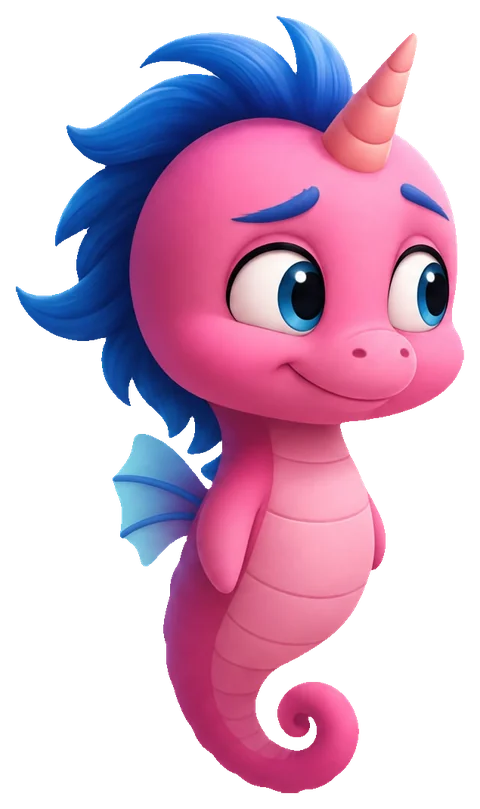
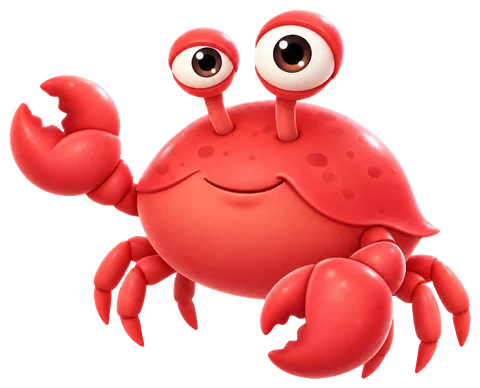
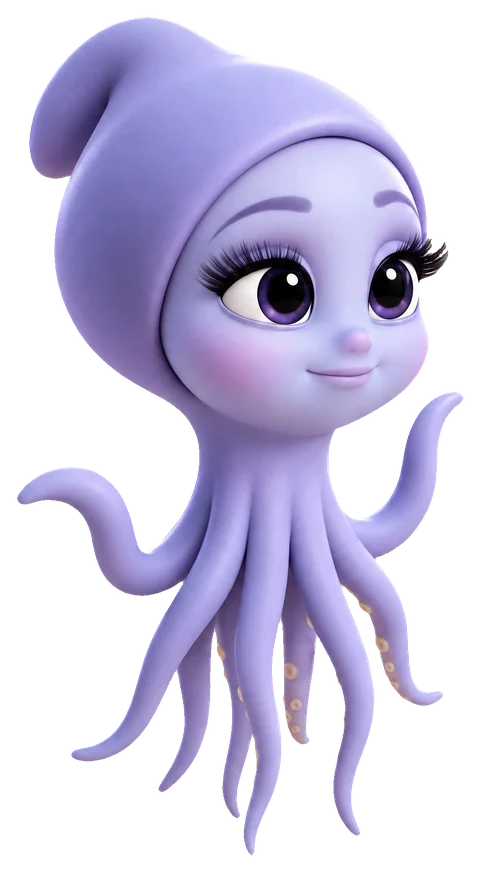
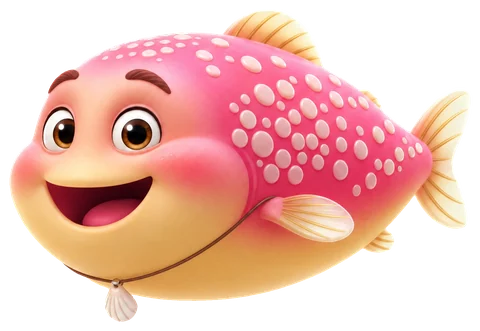
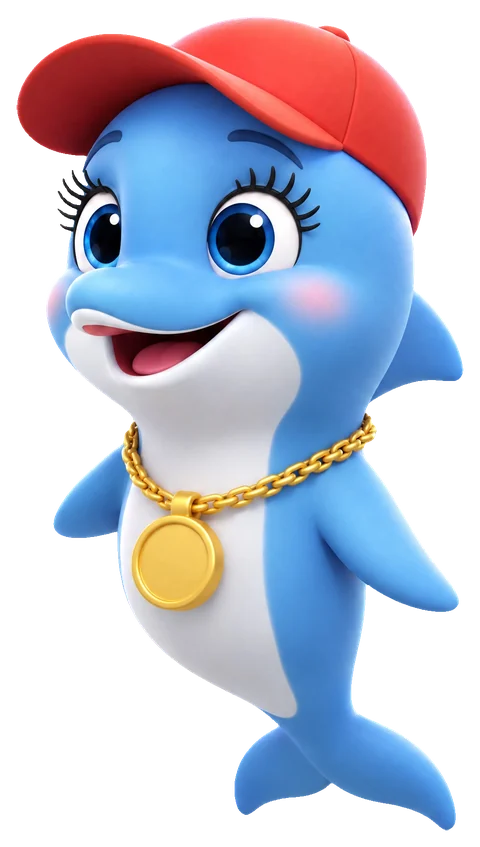
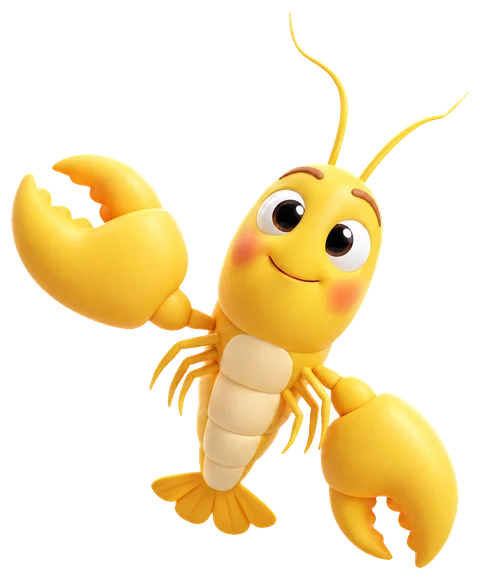
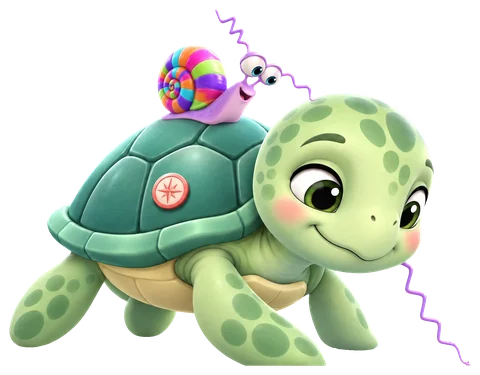
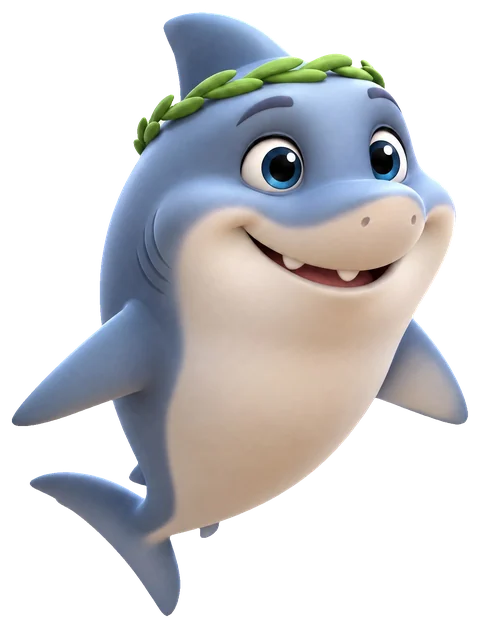
Start with a free mini-story.
The free Starter Kit is a printable PDF: a three-picture mini-story for each of the ten friends, a question to wonder about after each one, and coloring pages. Finley’s mini-story you can read online right now, no sign-up.
You can try Spike’s and Luna’s free mini-stories now. Their books are planned next.
The map behind the world
EmOcean is organized around one well-known map of emotions, drawn by psychologist Robert Plutchik. Scientists still debate how many basic emotions there are and how children learn them; we use his map because it gives children eight friends to meet, shows that feelings come in milder and stronger forms, and that they blend.
Situation + face first, word later: in the stories your child sees what happened and how a friend looks before anyone names the feeling. A feeling word is something your child grows into — not a label we put on them.
The full model, for grown-ups
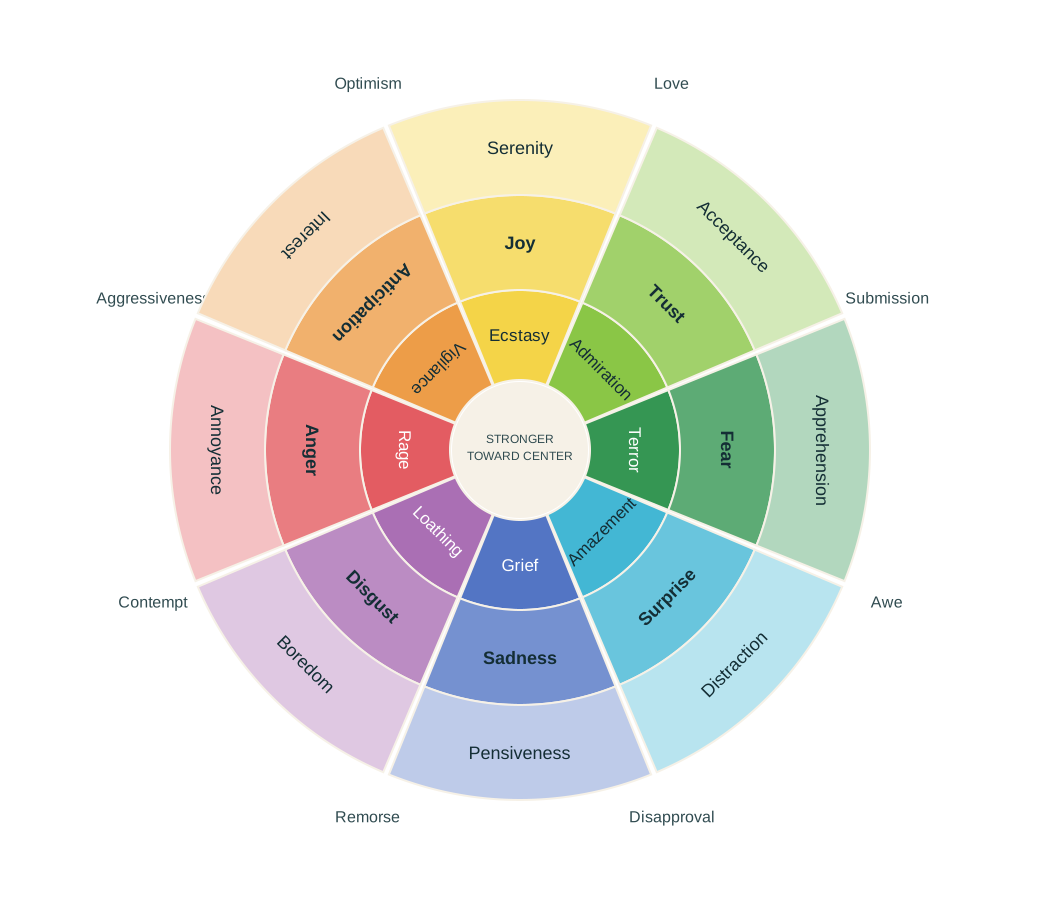
| Milder | Plutchik’s name | Stronger |
|---|---|---|
| Serenity | Joy | Ecstasy |
| Acceptance | Trust | Admiration |
| Apprehension | Fear | Terror |
| Distraction | Surprise | Amazement |
| Pensiveness | Sadness | Grief |
| Boredom | Disgust | Loathing |
| Annoyance | Anger | Rage |
| Interest | Anticipation | Vigilance |
Model: Robert Plutchik, “The Nature of Emotions,” American Scientist 89(4), 2001. Read it at American Scientist.
The activities in our books draw on approaches child-development researchers study — like naming feelings and facing fears one small step at a time. The research is about the approaches. Lovetopus itself hasn’t been studied.
Lovetopus is a storybook, not therapy. We don’t claim clinical results. If you’re worried about your child, talk to your pediatrician.