A cry at 2 a.m., a small shaking person in your bed, and a dream they can’t stop describing. By breakfast your child has moved on. You’re the one still wondering where it came from.
A dream that’s felt, not just remembered
Dreams get more vivid at exactly the age when imagination is booming and the line between imagined and real is still blurry. So a preschool nightmare isn’t just remembered. It’s felt, as something that really happened.
The chain looks like this. A growing mind sorts through the day in dreams, worries included. The dream produces real fear in a real body. And a four-year-old doesn’t yet have the “it was only a dream” off-switch adults rely on. When your child insists “but it was real!”, they are describing honestly how it felt.
The dream ends when they wake up. The feeling can take longer.
How common are bad dreams at three to six?
Most children have an occasional bad dream; frequent nightmares are less common in preschoolers.
That difference matters, because “nightmares are normal at this age” is only half true. An occasional bad night is part of growing up. A long run of them is something to notice.
Bad dreams often tick up during change: a new sibling, starting preschool, a scary movie scene that snuck in.
If the nightmares keep coming back, mention it to your pediatrician.
What evenings have to do with sleep
More evening screen time is linked with more sleep problems in preschoolers.
“Linked” is the honest word. Those studies looked at what families were already doing, so they can’t show that screens cause bad dreams, and we won’t claim they do.
One trial went a step further. In a trial with 3–5-year-olds, replacing violent or age-inappropriate media with educational and prosocial content reduced sleep problems. It measured sleep problems in general, not nightmares in particular. So it tells us the evening matters for sleep. It doesn’t tell us that one show causes one bad dream.
Nightmare or night terror?
Two different things can happen at night, and they’re easy to confuse.
A nightmare happens in the second half of the night. Your child wakes up, is afraid, recognizes you, wants comfort, and often remembers the dream, sometimes for days.
A night terror usually happens in the first hours of sleep. Your child may scream, thrash, or sit up with open eyes, but they are not actually awake. They may not recognize you, can’t be comforted, and remember nothing in the morning. It looks terrifying from the outside and is not felt by the child the way it appears.
With a night terror, don’t try to wake your child — stay nearby, keep them safe from bumps and falls, and let it pass.
Why a story can help with a scary feeling
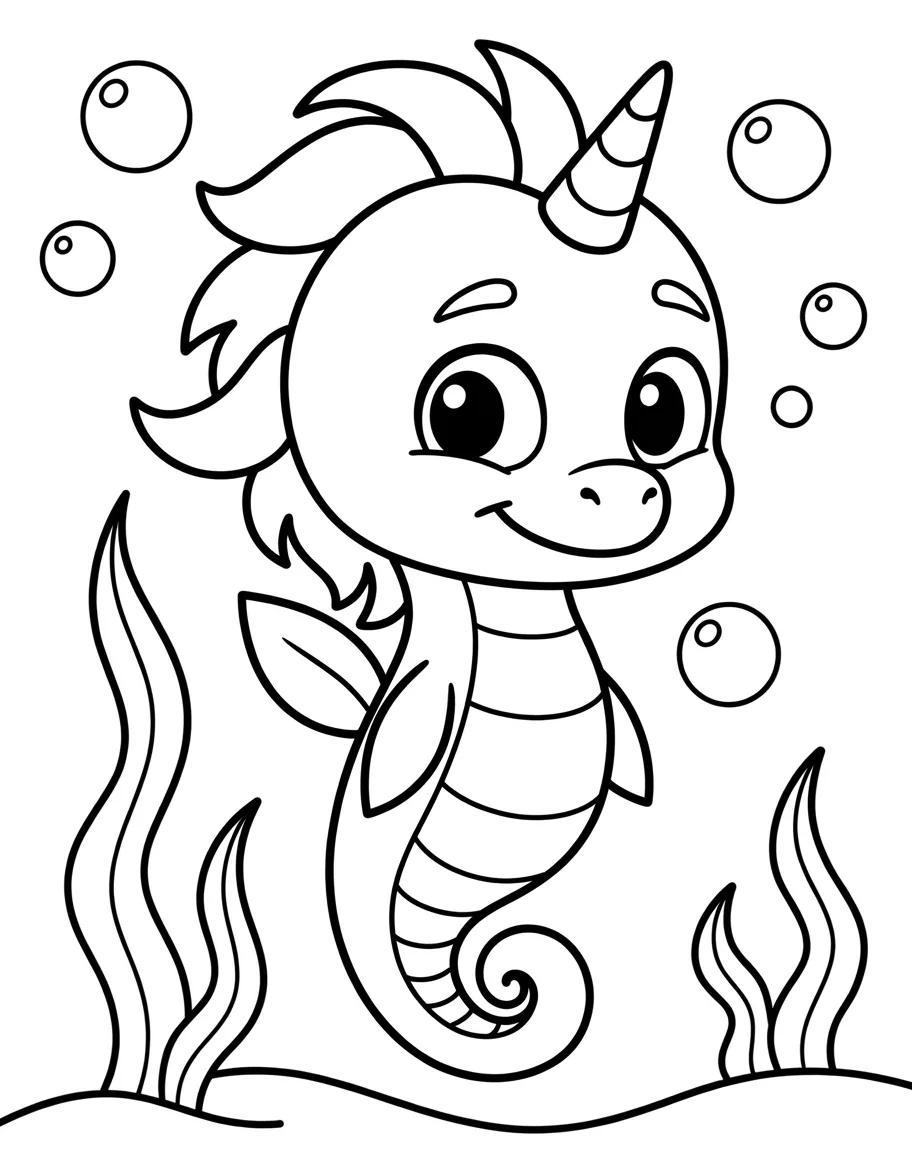
Feelings are easier to talk about when they belong to a story character first. A child who doesn’t want to talk about their own dream may still have plenty to say about what a little seahorse is afraid of.
That’s why Finley’s story turns on the dark:
“But as evening fell, the ocean grew darker… Finley was afraid of the dark – he imagined that something scary might be hiding in those shadows.”
“You don’t have to hide, little friend. I know you’re scared. Fear isn’t bad – sometimes it’s just very loud inside us.”
Finley explores fear through a dark-cave adventure — with Hugo, a drawing that gets sillier and sillier, and friends who come along. Inside: an illustrated story, activities to share, and pages for grown-ups.
This article is general information for parents, not medical or psychological advice. You know your child; when in doubt, your pediatrician is the right first call.
Sources
- Simard V, Nielsen TA, Tremblay RE, Boivin M, Montplaisir JY (2008). Longitudinal study of bad dreams in preschool-aged children: prevalence, demographic correlates, risk and protective factors. Sleep, 31(1), 62–70.
- Garrison MM, Liekweg K, Christakis DA (2011). Media use and child sleep: the impact of content, timing, and environment. Pediatrics, 128(1), 29–35. (observational study, ages 3–5)
- Garrison MM, Christakis DA (2012). The impact of a healthy media use intervention on sleep in preschool children. Pediatrics, 130(3), 492–499. (trial with 3–5-year-olds)
- American Academy of Pediatrics, HealthyChildren.org (2023). Nightmares and Night Terrors in Preschoolers. HealthyChildren.org.
- NHS (2025). Night terrors and nightmares. nhs.uk.