The wave took the sandcastle. The tears are enormous. And before you can stop it, out it comes: “Don’t cry, it’s okay!”
A loving reflex
Almost every parent says it. “Don’t cry” is a loving reflex — we want the hurt to stop. Usually what we mean is “I’m here” and “this will be okay.”
But to a child it can sound like the feeling itself is the problem. The words point at the tears, not at what caused them.
What the tears are about
To a four-year-old, a sandcastle isn’t “small.” They made it, it was theirs, and now it’s gone. Sadness is the natural response to losing something or not getting what you hoped for — and at this age the feeling often arrives bigger than the words for it, so it comes out as tears. That’s not drama, and it’s not weakness.
It’s okay to cry. Crying is one way sadness comes out.
Sad doesn’t always look sad, either: in young children it can show up as whining, clinging, or grumpiness. So a sad feeling can be there even when there are no tears to stop.
What research says
“Don’t cry” has a close cousin that has been studied: “don’t worry.” Saying “don’t worry” can accidentally tell a child there is something to worry about. (That study was with 5-to-10-year-olds at a medical procedure.) We think “don’t cry” can work in a similar way: it tells a child that something about their tears is wrong.
The bigger picture comes from a review of many studies. Brushing off or punishing a child’s sadness is linked with more anxiety and sadness problems — the link is modest and shows association, not cause.
Two words in that sentence matter. Modest and association mean this is about patterns over time, not one sentence on a hard afternoon. A “don’t cry” that slips out is not a mark against you.
The other side has been studied, too. Programs that teach parents to notice, name and accept their child’s feelings improve preschoolers’ emotional skills, according to a review of randomized trials.
Where Luna comes in
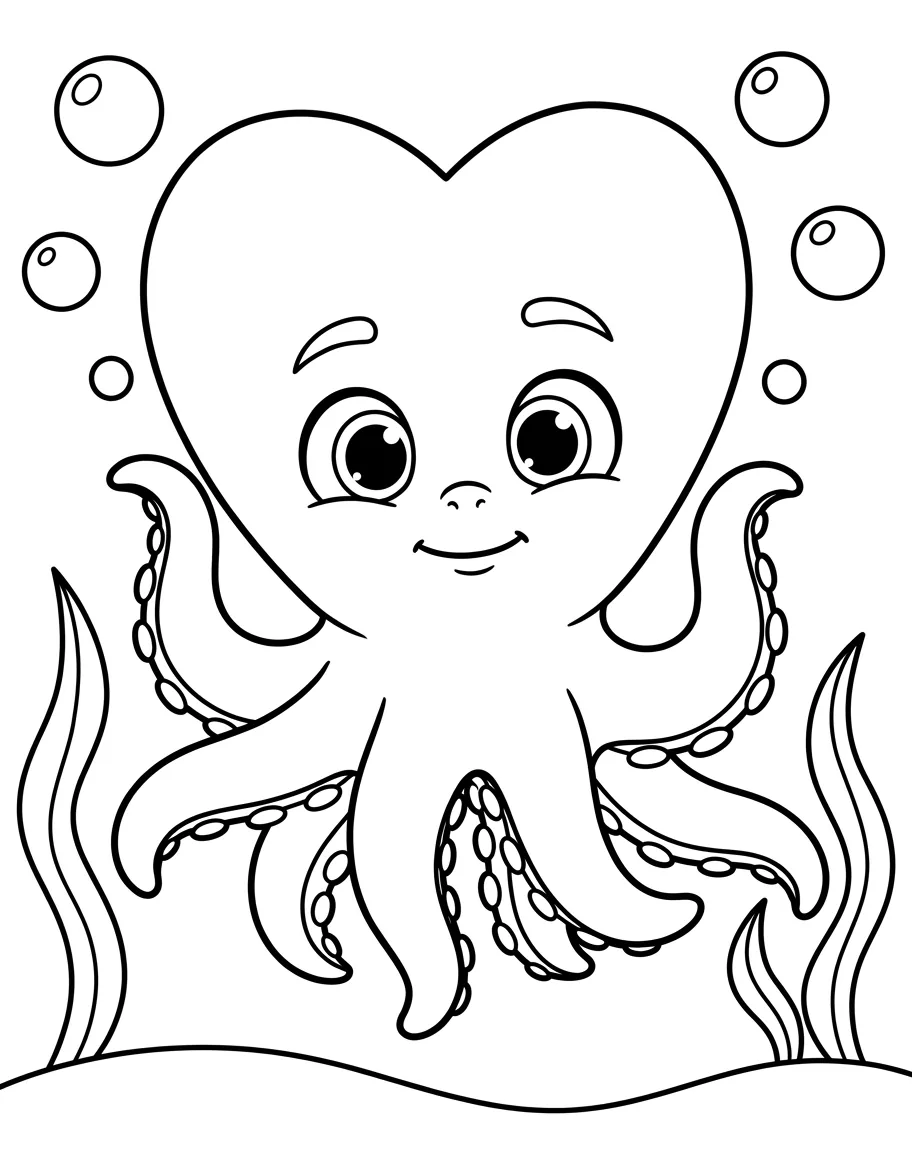
Feelings are easier to talk about when they belong to a story character first. Luna, our squid, feels things deeply and often keeps them inside. In her mini-story, she does something with a sad feeling that has nothing to do with stopping it:
She swirls the sand into a glowing heart. “This is how I feel,” she thinks. Soft, and a little heavy. The heart glows just for her.
A tear slides down. Luna lets it. Crying is one way sad comes out. Tomorrow, she decides, she will show the heart to Hugo. Sad is lighter when it’s shared.
Nobody in the story tells Luna to stop.
Luna’s book is planned — no release date yet. Her free mini-story is in the Starter Kit.
This article is general information for parents, not medical or psychological advice. You know your child; when in doubt, your pediatrician is the right first call.
Sources
- McMurtry CM, Chambers CT, McGrath PJ, Asp E (2010). When “don't worry” communicates fear: children's perceptions of parental reassurance and distraction during a painful medical procedure. Pain, 150(1), 52–58. (ages 5–10)
- Brumariu LE, Nair TK, Waslin SM, Rodrigues GA, Moore MT, Kerns KA (2025). Parental emotion socialization and internalizing problems in childhood and adolescence: A meta-analytic review. Development and Psychopathology.
- England-Mason, Andrews, Atkinson & Gonzalez (2023). Emotion socialization parenting interventions targeting emotional competence in young children: systematic review and meta-analysis of RCTs. Clinical Psychology Review.